A Guide to US Taxation for Startups in the Women's Clothing Industry
Category : evashirt | Sub Category : Posted on 2023-10-30 21:24:53
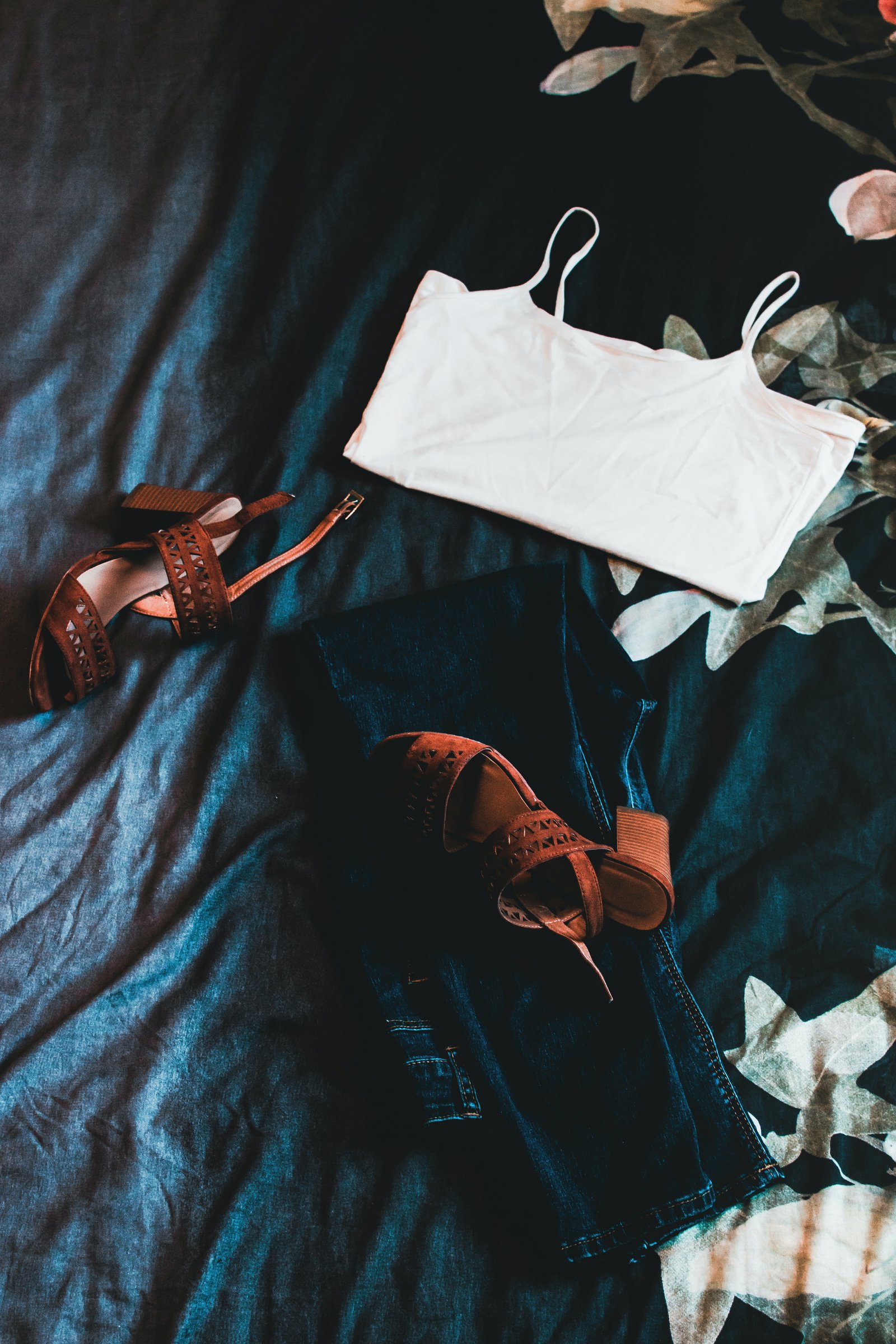
Introduction: Starting a women's clothing business can be an exciting and rewarding venture. However, it's important to familiarize yourself with the ins and outs of US taxation to ensure that you're compliant and setting yourself up for financial success. In this article, we'll guide you through the key aspects of US taxation for startups in the women's clothing industry. 1. Choosing the Right Business Structure: One of the first decisions you'll need to make is selecting the right business structure for your startup. The most common options for entrepreneurs in the clothing industry are sole proprietorship, partnership, limited liability company (LLC), or corporation. Each structure has its own tax implications, legal requirements, and liability considerations. Consulting with a tax professional can help you make an informed choice that suits your business goals. 2. Understanding Sales Tax: If you sell clothing directly to consumers, you'll likely be required to collect and remit sales tax. The rules regarding sales tax vary by state, so it's essential to understand the specific requirements in the states where your business operates. Familiarize yourself with state sales tax rates, filing deadlines, and any exemptions that may apply to clothing items. 3. Tracking and Reporting Business Expenses: To maximize your deductions and minimize your tax liability, keeping accurate and detailed records of your business expenses is crucial. Track expenses such as fabric sourcing, manufacturing costs, packaging, marketing, and any other expenses directly related to your business operations. Save receipts and invoices electronically for easy access during tax season. 4. Deductible Expenses for Clothing Businesses: As a women's clothing business, there are various deductible expenses you may be eligible for. These can include manufacturing costs, inventory purchases, marketing and advertising expenses, equipment purchases, shipping fees, and business-related travel expenses. It's important to work with a tax professional who can ensure you're taking advantage of all available deductions. 5. Employee Tax Obligations: If you hire employees for your clothing startup, you'll have certain tax obligations as an employer. This includes withholding and remitting payroll taxes, providing W-2 forms to employees, and filing quarterly or annual payroll tax returns. Understanding these responsibilities from the outset will help you avoid potential penalties and compliance issues. 6. State and Federal Income Taxes: In addition to sales tax, you'll also need to consider income tax obligations for your women's clothing startup. The specific income tax rules and rates will vary based on your business structure and the state in which you operate. Be sure to consult with a tax professional to accurately calculate and report your income taxes to avoid any potential penalties. Conclusion: Navigating the complexities of US taxation for startups in the women's clothing industry can be challenging. By understanding the key aspects discussed in this article, you'll be better prepared to tackle your tax obligations and ensure compliance with both state and federal tax regulations. Remember to consult with a qualified tax professional to optimize your tax strategy and maximize your deductions, allowing you to focus on growing your successful women's clothing business. Seeking expert advice? Find it in http://www.evayou.com
Leave a Comment:
SEARCH
Recent News
- Zurich, Switzerland is a city known for its stunning landscapes, charming streets, and vibrant culture. One of the many delights of visiting Zurich is the opportunity to explore its unique shopping scene. For those looking to add a touch of luxury and warmth to their wardrobe, Zurich is the perfect place to discover exquisite wool stoles.
- Winter in Zurich, Switzerland is a magical time of year when snow-capped mountains, charming Christmas markets, and cozy cafes create a picturesque scene straight out of a fairytale. As the temperatures drop and the city prepares for the festive season, one essential accessory that both locals and visitors alike reach for to stay warm and stylish is a winter stole.
- Enhancing Your YouTube Content Creation with Translation: A Guide for Wool Stole Enthusiasts
- Winter Stoles: A Must-Have Fashion Accessory for Your Youtube Content Creation
- Winter is the season for cozying up in your favorite sweaters, sipping hot cocoa by the fire, and of course, accessorizing with stylish winter stoles. If you're looking for inspiration on how to rock this cold-weather accessory, look no further than YouTube channels dedicated to all things winter fashion.
- Trend Alert: 5 Stylish Ways to Wear Wool Stoles for Women
- Winter Stoles: The Must-Have Accessory for Women's Winter Wardrobe
- Women's Clothing Trends Imported and Exported in Vancouver
READ MORE
10 months ago Category :

Zurich, Switzerland is a city known for its stunning landscapes, charming streets, and vibrant culture. One of the many delights of visiting Zurich is the opportunity to explore its unique shopping scene. For those looking to add a touch of luxury and warmth to their wardrobe, Zurich is the perfect place to discover exquisite wool stoles.
Read More →10 months ago Category :

Winter in Zurich, Switzerland is a magical time of year when snow-capped mountains, charming Christmas markets, and cozy cafes create a picturesque scene straight out of a fairytale. As the temperatures drop and the city prepares for the festive season, one essential accessory that both locals and visitors alike reach for to stay warm and stylish is a winter stole.
Read More →10 months ago Category :

Enhancing Your YouTube Content Creation with Translation: A Guide for Wool Stole Enthusiasts
Read More →10 months ago Category :
