Celebrating Women's Clothing as National Symbols
Category : evashirt | Sub Category : Posted on 2023-10-30 21:24:53
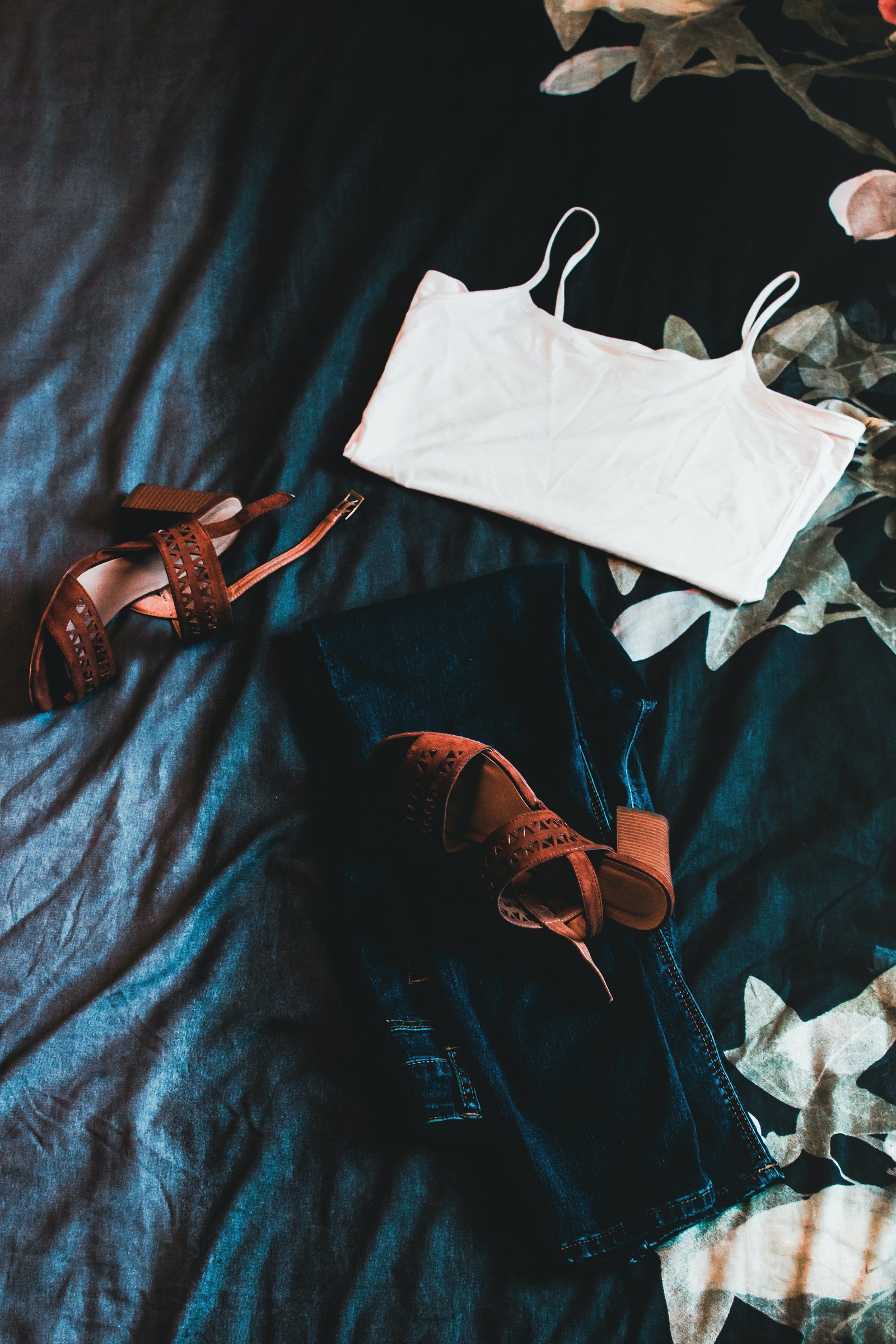
Introduction: National symbols are not limited to flags, anthems, or landmarks alone. In many cultures around the world, traditional clothing has become an important emblem of national identity and heritage. Women's clothing, in particular, plays a significant role in defining and representing a nation's culture, history, and values. In this blog post, we explore how women's clothes have become cherished national symbols, showcasing the richness and diversity of traditions around the world. 1. Traditional Attire Reflecting Cultural Identity: Women's clothing often embodies the essence of a country's cultural heritage, showcasing unique regional craftsmanship, textiles, and designs. For example, the kimono in Japan, the saree in India, the hanbok in South Korea, and the Scottish tartan are all prominent symbols of their respective nations and cherished for their historical significance and artistic beauty. 2. Preservation of History and Traditions: Traditional women's clothing serves as a visual reminder of historical eras, ancient traditions, and societal norms. These garments are carefully preserved and passed down through generations, enabling the importance of cultural heritage to be understood and appreciated by future inhabitants. By wearing and showcasing these traditional garments, women play a vital role in keeping their culture alive and ensuring its continuity. 3. Expression of Identity and Individuality: While traditional clothing reflects a nation's collective identity, it also provides a platform for women to express their individuality. Many countries have modernized their traditional clothing, blending traditional and contemporary styles to create unique fashion statements. For instance, the Cheongsam in China has evolved from a loose-fitting gown to a fitted, elegant dress that represents Chinese style on both national and international stages. 4. Symbolizing Empowerment and Progress: Women's clothing can also serve as a powerful symbol of empowerment and progress within societies. In some countries, national dress codes have historically restricted women's freedom of expression, mobility, or professional pursuits. However, as societies evolve, women's clothing becomes a statement of autonomy and liberation. The abaya-clad women in Saudi Arabia, for example, now have choices to express themselves through different fashionable designs, offering a visual representation of the changing roles and rights of women. 5. Promoting Tourism and Cultural Exchange: Women's clothing, when seen as a national symbol, often attracts tourists and promotes cultural exchange. Traditional garments have become an essential part of national festivals, parades, and cultural events worldwide. Visitors are not only fascinated by the beauty of these garments but also appreciate the stories, traditions, and history behind them. Moreover, by embracing and sharing their traditional clothing customs with the world, nations can strengthen global cultural understanding and communication. Conclusion: Women's clothing, as national symbols, holds profound meaning and significance within societies across the globe. From showcasing cultural heritage and history to expressing individuality and promoting progress, these garments represent much more than mere fabric and fashion. They are tangible embodiments of a nation's values, traditions, and the remarkable women who proudly carry their cultural legacy forward. By celebrating and preserving these national symbols, we can appreciate and cherish the diversity that women's clothing brings to our world. For comprehensive coverage, check out http://www.evayou.com Explore expert opinions in http://www.culturepolitics.com
Leave a Comment:
SEARCH
Recent News
- Zurich, Switzerland is a city known for its stunning landscapes, charming streets, and vibrant culture. One of the many delights of visiting Zurich is the opportunity to explore its unique shopping scene. For those looking to add a touch of luxury and warmth to their wardrobe, Zurich is the perfect place to discover exquisite wool stoles.
- Winter in Zurich, Switzerland is a magical time of year when snow-capped mountains, charming Christmas markets, and cozy cafes create a picturesque scene straight out of a fairytale. As the temperatures drop and the city prepares for the festive season, one essential accessory that both locals and visitors alike reach for to stay warm and stylish is a winter stole.
- Enhancing Your YouTube Content Creation with Translation: A Guide for Wool Stole Enthusiasts
- Winter Stoles: A Must-Have Fashion Accessory for Your Youtube Content Creation
- Winter is the season for cozying up in your favorite sweaters, sipping hot cocoa by the fire, and of course, accessorizing with stylish winter stoles. If you're looking for inspiration on how to rock this cold-weather accessory, look no further than YouTube channels dedicated to all things winter fashion.
- Trend Alert: 5 Stylish Ways to Wear Wool Stoles for Women
- Winter Stoles: The Must-Have Accessory for Women's Winter Wardrobe
- Women's Clothing Trends Imported and Exported in Vancouver
READ MORE
8 months ago Category :

Zurich, Switzerland is a city known for its stunning landscapes, charming streets, and vibrant culture. One of the many delights of visiting Zurich is the opportunity to explore its unique shopping scene. For those looking to add a touch of luxury and warmth to their wardrobe, Zurich is the perfect place to discover exquisite wool stoles.
Read More →8 months ago Category :

Winter in Zurich, Switzerland is a magical time of year when snow-capped mountains, charming Christmas markets, and cozy cafes create a picturesque scene straight out of a fairytale. As the temperatures drop and the city prepares for the festive season, one essential accessory that both locals and visitors alike reach for to stay warm and stylish is a winter stole.
Read More →8 months ago Category :

Enhancing Your YouTube Content Creation with Translation: A Guide for Wool Stole Enthusiasts
Read More →8 months ago Category :
