Exploring the Rich Heritage of Women's Clothing along the Ancient Trade Routes of Guangzhou - Connecting Asia, Europe, China, Africa, and the Silk Road
Category : evashirt | Sub Category : Posted on 2023-10-30 21:24:53
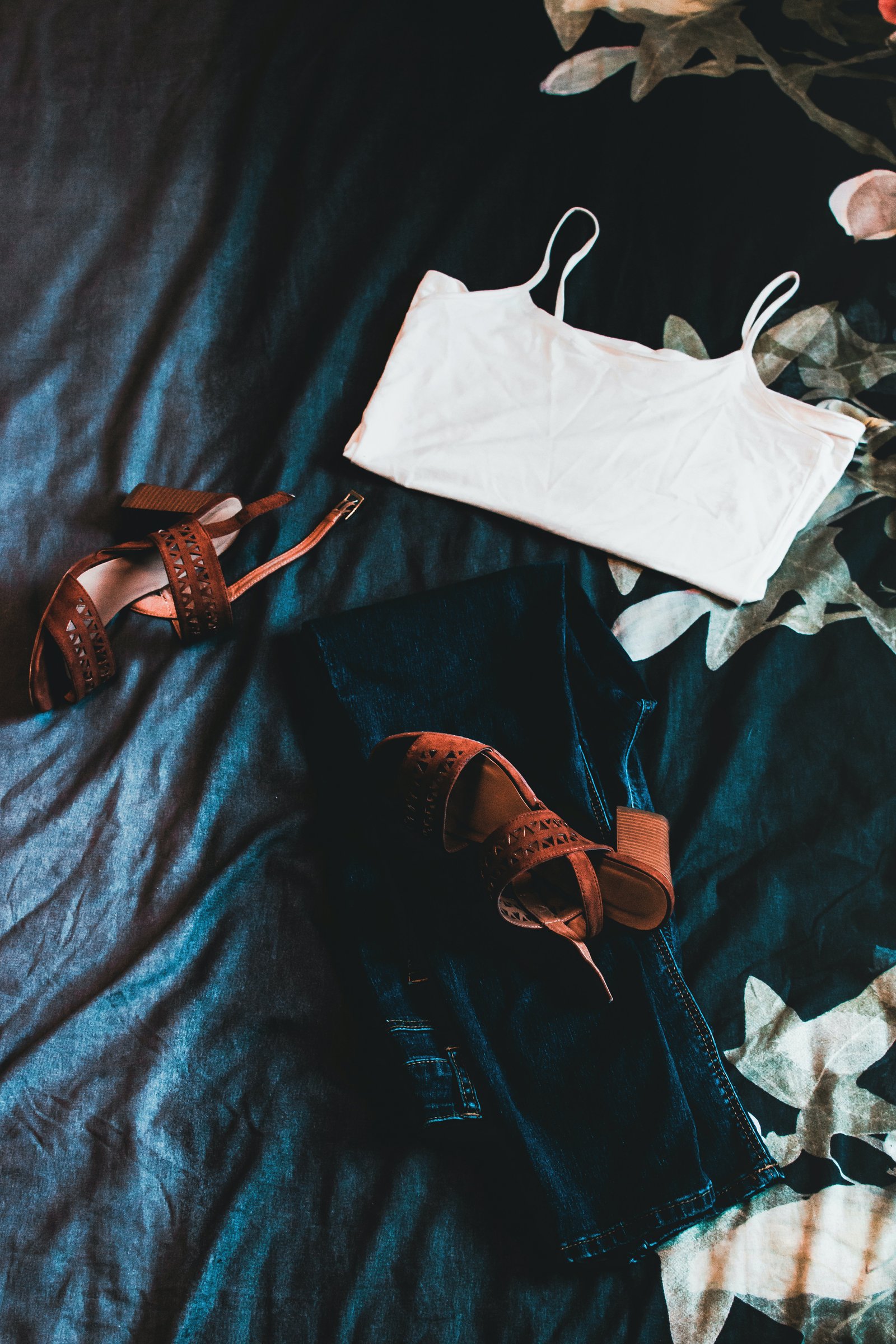
Introduction: The history of trade routes is deeply intertwined with cultural exchange and the movement of goods. One such network of trade routes that played a crucial role in connecting different continents is the Silk Road. Among the bustling cities along this vast network, Guangzhou stood as a significant trading hub, linking Asia, Europe, China, and even Africa. Over the centuries, this vibrant city witnessed the exchange of not only goods but also cultural influences, including the fashion and clothing styles of women. In this blog post, we will delve into the fascinating history and diverse aspects of women's clothing along these historic trade routes. 1. Silk, a Luxurious Commodity: Silk, originating from China, was one of the most sought-after commodities along the trade routes. Known for its exceptional quality and exquisite craftsmanship, silk fabrics played a pivotal role in shaping women's fashion in various regions. Whether it was the fine silk garments worn by Chinese women, the vibrant patterns of Central Asian textiles, or the luxurious dresses adorning European ladies of the elite, silk influenced fashion across continents. 2. The Iconic Qipao: Originating in the city of Guangzhou, the Qipao, also known as Cheongsam, became an iconic representation of Chinese women's fashion. Originally designed as a loose-fitting dress, it underwent significant transformations as it traveled along the trade routes. The Qipao became slimmer, incorporating elegant Mandarin collars, intricate embroideries, and beautiful handcrafted buttons. This garment became a symbol of femininity and elegance, not only in China but also in Southeast Asian countries influenced by Chinese culture. 3. Influences from Europe: While Guangzhou served as a gateway to Asia, it was also a meeting point for European traders. With their arrival, fashion influences from Europe started to intermingle with the traditional clothing styles. European traders introduced Chinese women to corsets, crinolines, and hoop skirts, transforming their silhouettes. The blend of Eastern and Western elements in women's clothing created a unique fusion that reflected the cultural exchange occurring along the trade routes. 4. Cultural Influences from Asia and Africa: The Silk Road, in its vast reach, connected Guangzhou not only with Europe but also with Africa and other regions in Asia. Consequently, elements of Asian and African fashion seamlessly integrated into local clothing styles. Intricate Indian textiles, batik patterns from Indonesia, and colorful African prints found their way into the wardrobes of women along the trade routes. These cross-cultural influences not only enriched women's clothing but also celebrated diversity and cultural heritage. Conclusion: The trade routes passing through Guangzhou served as channels for the exchange of not only goods but also cultural influences, including women's clothing styles. Over time, silk fabrics, iconic garments like the Qipao, and diverse fashion influences from Europe, Asia, and Africa contributed to the dynamic and ever-evolving fashion scene. Today, the rich heritage of women's clothing along these historic trade routes continues to inspire designers and fashion enthusiasts, reminding us of the remarkable interconnectedness of our global fashion heritage. If you're interested in this topic, I suggest reading http://www.afrospaces.com Uncover valuable insights in http://www.evayou.com To get a holistic view, consider http://www.soitsyou.com Looking for more information? Check out http://www.2gz.org
Leave a Comment:
SEARCH
Recent News
- Zurich, Switzerland is a city known for its stunning landscapes, charming streets, and vibrant culture. One of the many delights of visiting Zurich is the opportunity to explore its unique shopping scene. For those looking to add a touch of luxury and warmth to their wardrobe, Zurich is the perfect place to discover exquisite wool stoles.
- Winter in Zurich, Switzerland is a magical time of year when snow-capped mountains, charming Christmas markets, and cozy cafes create a picturesque scene straight out of a fairytale. As the temperatures drop and the city prepares for the festive season, one essential accessory that both locals and visitors alike reach for to stay warm and stylish is a winter stole.
- Enhancing Your YouTube Content Creation with Translation: A Guide for Wool Stole Enthusiasts
- Winter Stoles: A Must-Have Fashion Accessory for Your Youtube Content Creation
- Winter is the season for cozying up in your favorite sweaters, sipping hot cocoa by the fire, and of course, accessorizing with stylish winter stoles. If you're looking for inspiration on how to rock this cold-weather accessory, look no further than YouTube channels dedicated to all things winter fashion.
- Trend Alert: 5 Stylish Ways to Wear Wool Stoles for Women
- Winter Stoles: The Must-Have Accessory for Women's Winter Wardrobe
- Women's Clothing Trends Imported and Exported in Vancouver
READ MORE
9 months ago Category :

Zurich, Switzerland is a city known for its stunning landscapes, charming streets, and vibrant culture. One of the many delights of visiting Zurich is the opportunity to explore its unique shopping scene. For those looking to add a touch of luxury and warmth to their wardrobe, Zurich is the perfect place to discover exquisite wool stoles.
Read More →9 months ago Category :

Winter in Zurich, Switzerland is a magical time of year when snow-capped mountains, charming Christmas markets, and cozy cafes create a picturesque scene straight out of a fairytale. As the temperatures drop and the city prepares for the festive season, one essential accessory that both locals and visitors alike reach for to stay warm and stylish is a winter stole.
Read More →9 months ago Category :

Enhancing Your YouTube Content Creation with Translation: A Guide for Wool Stole Enthusiasts
Read More →9 months ago Category :
