The Evolution of Women's Clothing: From Practicality to Personal Expression
Category : evashirt | Sub Category : Posted on 2023-10-30 21:24:53
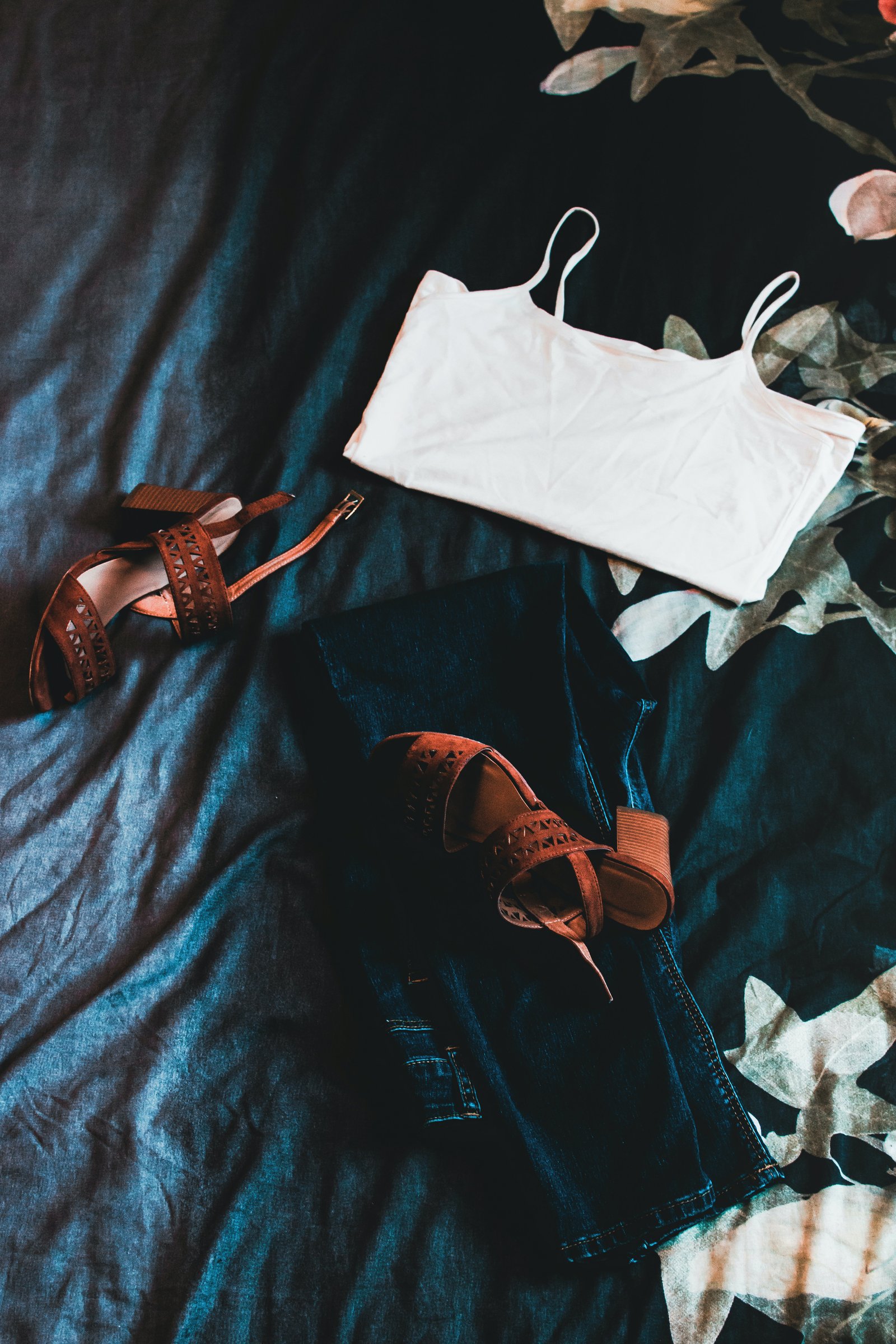
Introduction: Women's clothing has come a long way throughout history, reflecting not only societal norms but also personal expression and individuality. From humble beginnings focused on practicality to today's expansive range of styles and trends, women's clothing has become a powerful tool for self-expression. In this blog post, we will explore the evolution of women's clothing and how it has shaped and been shaped by society over the years. I. Practicality and Modesty: In ancient times, women's clothing was primarily driven by practicality and modesty. The focus was on garments that offered protection and covered the body. For example, in ancient Egypt, women wore long, flowing robes made from lightweight fabrics like linen. Similarly, ancient Greece and Rome saw the advent of the chiton and toga, respectively, garments that covered the body but allowed for freedom of movement. II. Fashion Meets Social Status: As societies evolved, clothing also began to reflect social status. During the Renaissance period, women's clothing became more elaborate, incorporating ornate fabrics and intricate designs. The use of corsets became popular to create an exaggerated hourglass figure, emphasizing the ideals of beauty at the time. III. The Rise of Women's Liberation: Fast forward to the late 19th and early 20th centuries, and we witness significant changes in women's clothing as the suffragette movement gained momentum. Fashion became an avenue for women to challenge traditional gender roles. The introduction of the "New Woman" emerged with looser-fitting garments, such as the iconic flapper dress in the 1920s, symbolizing newfound freedom and independence. IV. Embracing Individuality and Style: In the modern era, women's clothing has become a platform for personal expression and style diversity. Fashion trends change rapidly, from bohemian chic to minimalist elegance, catering to various tastes and preferences. Today, women have access to an extensive range of options, enabling them to curate their wardrobes to reflect their unique personalities and identities. V. Mindful and Sustainable Fashion: In recent years, there has been a shift towards sustainable and ethical fashion. Women are becoming more conscious of the environmental impact of the fashion industry and are seeking out brands that prioritize ethical manufacturing practices and use eco-friendly materials. This movement encourages women to make more thoughtful choices when it comes to their clothing, focusing on quality, longevity, and versatility. Conclusion: From ancient times to the present day, women's clothing has gone through a significant transformation, serving as a reflection of the social, cultural, and individual values of each era. Today, women have the freedom to express themselves through their clothing, choosing from a multitude of styles and trends. However, it is essential to remember the importance of responsible consumption and prioritize sustainable and ethical fashion practices to shape a more compassionate and mindful industry. Looking for more information? Check out http://www.evayou.com Discover more about this topic through http://www.apapapers.com
Leave a Comment:
SEARCH
Recent News
- Zurich, Switzerland is a city known for its stunning landscapes, charming streets, and vibrant culture. One of the many delights of visiting Zurich is the opportunity to explore its unique shopping scene. For those looking to add a touch of luxury and warmth to their wardrobe, Zurich is the perfect place to discover exquisite wool stoles.
- Winter in Zurich, Switzerland is a magical time of year when snow-capped mountains, charming Christmas markets, and cozy cafes create a picturesque scene straight out of a fairytale. As the temperatures drop and the city prepares for the festive season, one essential accessory that both locals and visitors alike reach for to stay warm and stylish is a winter stole.
- Enhancing Your YouTube Content Creation with Translation: A Guide for Wool Stole Enthusiasts
- Winter Stoles: A Must-Have Fashion Accessory for Your Youtube Content Creation
- Winter is the season for cozying up in your favorite sweaters, sipping hot cocoa by the fire, and of course, accessorizing with stylish winter stoles. If you're looking for inspiration on how to rock this cold-weather accessory, look no further than YouTube channels dedicated to all things winter fashion.
- Trend Alert: 5 Stylish Ways to Wear Wool Stoles for Women
- Winter Stoles: The Must-Have Accessory for Women's Winter Wardrobe
- Women's Clothing Trends Imported and Exported in Vancouver
READ MORE
11 months ago Category :

Zurich, Switzerland is a city known for its stunning landscapes, charming streets, and vibrant culture. One of the many delights of visiting Zurich is the opportunity to explore its unique shopping scene. For those looking to add a touch of luxury and warmth to their wardrobe, Zurich is the perfect place to discover exquisite wool stoles.
Read More →11 months ago Category :

Winter in Zurich, Switzerland is a magical time of year when snow-capped mountains, charming Christmas markets, and cozy cafes create a picturesque scene straight out of a fairytale. As the temperatures drop and the city prepares for the festive season, one essential accessory that both locals and visitors alike reach for to stay warm and stylish is a winter stole.
Read More →11 months ago Category :

Enhancing Your YouTube Content Creation with Translation: A Guide for Wool Stole Enthusiasts
Read More →11 months ago Category :
