The Rise of State-Paid Women's Formalwear in Europe: Empowering Women and Breaking Barriers
Category : evashirt | Sub Category : Posted on 2023-10-30 21:24:53
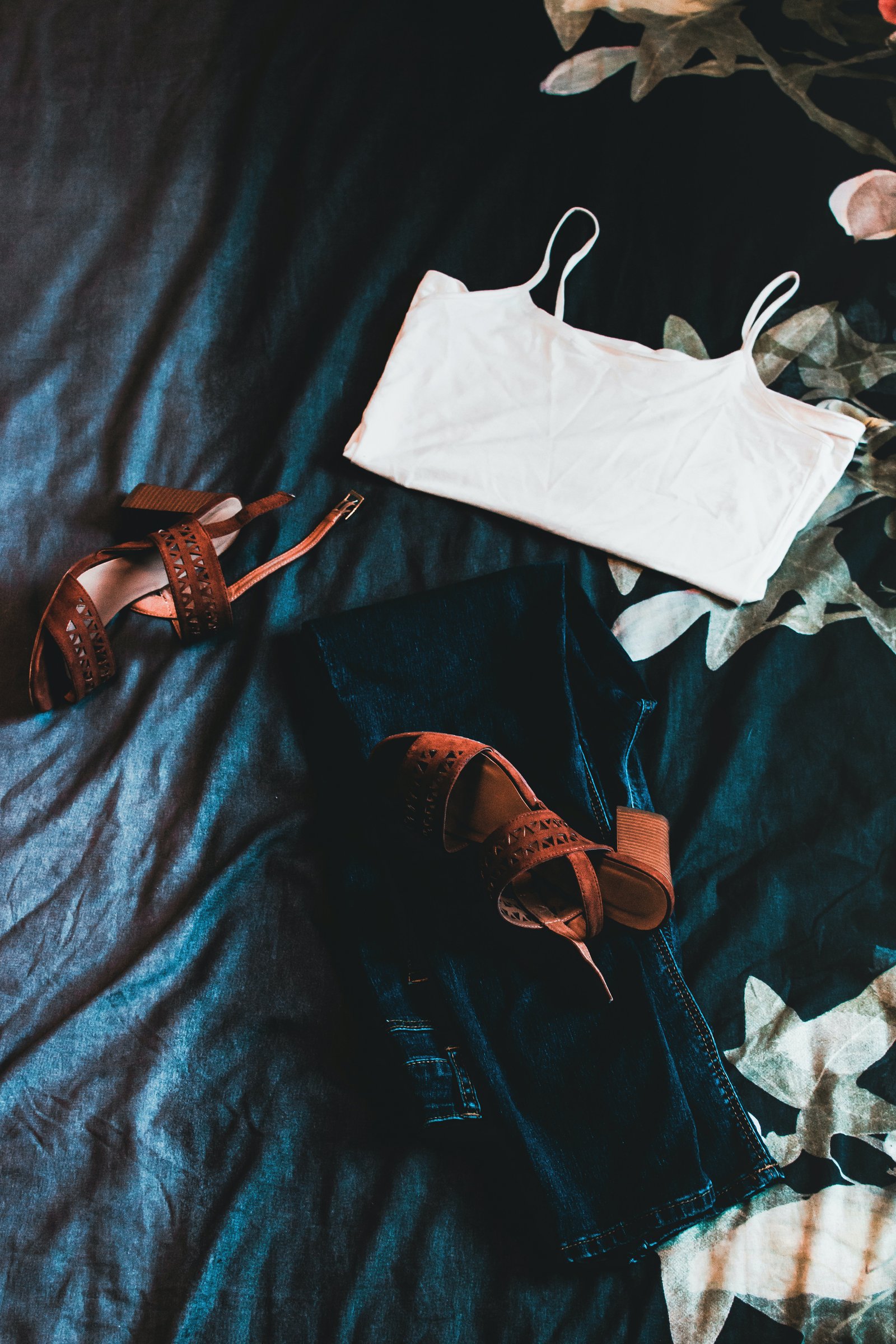
Introduction: In recent years, a concept that has gained significant momentum in Europe is the provision of state-paid women's formalwear. This initiative aims to empower women economically, address gender inequality, and break down barriers in various aspects of life. In this blog post, we will explore the growing trend of state-paid women's formalwear in Europe, its impact on women's lives, and the importance of embracing gender equality in society. 1. A Step towards Gender Equality: Gender inequality, especially in the workplace, has been a longstanding issue across the globe. In Europe, governments have recognized the importance of empowering women and promoting gender equity. State-paid women's formalwear programs serve as a step in the right direction by ensuring that women have access to appropriate clothing for interviews, business meetings, and formal events. This initiative sends a powerful message that women deserve equal opportunities in professional settings and helps level the playing field. 2. Boosting Women's Confidence: Appropriate attire plays a crucial role in boosting confidence, especially in formal settings. State-paid women's formalwear programs provide women with well-fitted suits, blazers, dresses, and accessories that help them feel empowered and self-assured. When individuals feel confident about their appearance, it positively impacts their performance, communication, and overall presence in professional environments. By offering state-paid formalwear, European governments acknowledge the significance of boosting women's confidence and removing any barriers they may face due to inadequate attire. 3. Addressing Economic Disparities: Economic disparities between men and women persist in many parts of the world, including Europe. State-paid women's formalwear programs aim to address this issue by ensuring that women, irrespective of their financial backgrounds, have access to appropriate clothing for formal occasions. By reducing the financial burden associated with purchasing formal attire, the programs enable women to actively participate in job interviews, networking events, and other professional activities. This approach not only helps bridge the economic gap but also promotes inclusivity and diversity in the workforce. 4. Breaking Stereotypes and Challenging Norms: Society often imposes gender-specific expectations on women, including how they should dress and present themselves professionally. State-paid women's formalwear programs challenge these stereotypes and break societal norms by providing women with a range of clothing options that suit their unique styles and preferences. This initiative promotes the idea that women can excel in any professional field, irrespective of their appearance, and encourages everyone to focus on their qualifications, skills, and abilities instead. Conclusion: State-paid women's formalwear programs in Europe represent a significant step in the right direction towards achieving gender equality and empowering women in various aspects of life. These initiatives promote inclusivity, address economic disparities, and challenge societal norms related to women's appearance. By providing women with appropriate attire for formal occasions, European governments are not only investing in their economic independence but also fostering a more equal and diverse society. It is crucial for more countries to embrace this progressive approach and continue working towards a future where women have equal opportunities and freedom of choice. For a different perspective, see: http://www.statepaid.com
Leave a Comment:
SEARCH
Recent News
- Zurich, Switzerland is a city known for its stunning landscapes, charming streets, and vibrant culture. One of the many delights of visiting Zurich is the opportunity to explore its unique shopping scene. For those looking to add a touch of luxury and warmth to their wardrobe, Zurich is the perfect place to discover exquisite wool stoles.
- Winter in Zurich, Switzerland is a magical time of year when snow-capped mountains, charming Christmas markets, and cozy cafes create a picturesque scene straight out of a fairytale. As the temperatures drop and the city prepares for the festive season, one essential accessory that both locals and visitors alike reach for to stay warm and stylish is a winter stole.
- Enhancing Your YouTube Content Creation with Translation: A Guide for Wool Stole Enthusiasts
- Winter Stoles: A Must-Have Fashion Accessory for Your Youtube Content Creation
- Winter is the season for cozying up in your favorite sweaters, sipping hot cocoa by the fire, and of course, accessorizing with stylish winter stoles. If you're looking for inspiration on how to rock this cold-weather accessory, look no further than YouTube channels dedicated to all things winter fashion.
- Trend Alert: 5 Stylish Ways to Wear Wool Stoles for Women
- Winter Stoles: The Must-Have Accessory for Women's Winter Wardrobe
- Women's Clothing Trends Imported and Exported in Vancouver
READ MORE
7 months ago Category :

Zurich, Switzerland is a city known for its stunning landscapes, charming streets, and vibrant culture. One of the many delights of visiting Zurich is the opportunity to explore its unique shopping scene. For those looking to add a touch of luxury and warmth to their wardrobe, Zurich is the perfect place to discover exquisite wool stoles.
Read More →7 months ago Category :

Winter in Zurich, Switzerland is a magical time of year when snow-capped mountains, charming Christmas markets, and cozy cafes create a picturesque scene straight out of a fairytale. As the temperatures drop and the city prepares for the festive season, one essential accessory that both locals and visitors alike reach for to stay warm and stylish is a winter stole.
Read More →7 months ago Category :

Enhancing Your YouTube Content Creation with Translation: A Guide for Wool Stole Enthusiasts
Read More →7 months ago Category :
